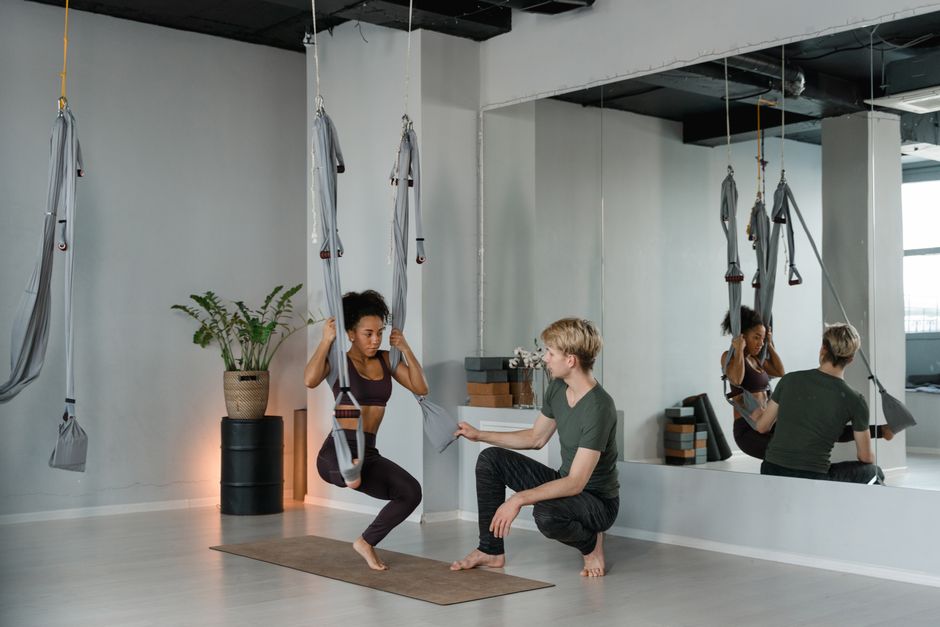
The fitness niche offers immense dropshipping potential. Discover how to identify trending products, craft irresistible offers, and build a profitable Shopify store.
Fitness Dropshipping: A Steadily Profitable Niche.
Ignore fitness, and you miss a crucial market. Health, appearance, and longevity are primal desires driving consistent spending. This is not a fleeting trend.
Growing health consciousness fuels demand across demographics: yoga enthusiasts, gym-goers, remote workers, and active seniors. The niche spans active lifestyles, recovery, home fitness, wearable tech, and mental wellness tools.
High average order value is achievable. A customer buying a Posture Corrector Belt might also purchase an Ice Roller Face Massager or a Portable Neck Fan. Complementary products increase revenue per customer.
Dominate Micro-Niches: The Key to Fitness Dropshipping Success.
Generic "fitness stuff" targeting fails. Competing with giants like Amazon is a losing battle. Instead, specialize. Dominate a micro-niche.
Shift from broad "fitness accessories" to specific solutions: "post-workout recovery for athletes," "at-home Pilates essentials," "desk job posture solutions," or "outdoor comfort tech for hikers." These aren't labels; they are direct problem solvers.
Identify precise pain points. A Portable Neck Fan becomes a "cooling solution for summer workouts," and a Posture Corrector Belt targets "relieving tech neck." Direct communication converts.
Data-Driven Trends: Spotting Hot Fitness Products.
Stop guessing trends. Real-time product data reveals what's actually selling and generating profit. This is precision, not speculation.
A "Sell Score" indicates demand: higher scores mean more sales. This viability metric highlights products that solve clear fitness problems or enhance user experience.
Here’s a snapshot of trending products in the fitness and wellness space:
| Product Name | Niche | Supplier Cost | Retail Price | Sell Score | Hook Example |
|---|---|---|---|---|---|
| Ice Roller Face Massager | Fitness (Recovery/Beauty) | $14.99 | $14.99 | 63.5 | "I didn't expect this Ice Roller Face Massager to actually work, but..." |
| Posture Corrector Belt | Fitness | $19.99 | $19.99 | 63.5 | "Wait... THIS is the Posture Corrector Belt everyone's been talking about?" |
| Portable Neck Fan | Fitness | $24.99 | $24.99 | 65.0 | "I've been sleeping on this Portable Neck Fan and I'm mad about it" |
| Rechargeable Hand Warmer | Fitness | $22.99 | $22.99 | 63.5 | "I can't believe this Rechargeable Hand Warmer only costs $22.99..." |
Crucially, the table shows identical supplier and retail prices. Selling at zero margin is unsustainable. These figures represent initial supplier listings and common market retail prices. Your strategy must involve finding better suppliers or pricing higher.
Sell Transformations: Crafting Converting Hooks & Offers.
Customers don't care about neoprene; they care if your Posture Corrector Belt relieves 8-hour desk pain. Ditch generic descriptions. Emphasize the benefit, the transformation. What does it do for them?
Urgency and social proof are powerful. Instead of "Buy now," try: "Join thousands who found relief from tech neck with our Posture Corrector Belt – limited stock!" This leverages psychology. Effective hooks:
- For the Ice Roller Face Massager: "I didn't expect this Ice Roller Face Massager to actually work, but..." – Curiosity, lowers skepticism.
- For the Posture Corrector Belt: "Wait... THIS is the Posture Corrector Belt everyone's been talking about?" – Taps into FOMO.
- For the Portable Neck Fan: "I've been sleeping on this Portable Neck Fan and I'm mad about it" – FOMO, strong satisfaction.
- For the Rechargeable Hand Warmer: "I can't believe this Rechargeable Hand Warmer only costs $22.99..." – Perceived value.
Beyond hooks, create compelling offers. Bundle products like a Posture Corrector Belt with resistance bands, or upsell an Ice Roller Face Massager. Implement limited-time promotions or flash sales to boost average order value.
Maximize Ad Spend: Hyper-Targeting Your Fitness Customer.
Even with great products, mis-targeting wastes ad spend. Your fitness customer is specific. Refine demographic and psychographic targeting: consider age, income for high-ticket items, and specific interests like CrossFit, yoga, or organic food. Data clarifies the picture.
- TikTok: Viral goldmine. Portable Neck Fan, Cloud Slides Slippers explode with UGC. Short, engaging videos.
- Instagram: Perfect for visual appeal. High-quality images, reels for Ice Roller Face Massager or Posture Corrector Belt design.
- Facebook: Powerhouse for precise audience segmentation. Target interests in specific gyms, gurus, magazines. Run retargeting ads with the right blueprint.
Micro-influencers (10k-50k followers) offer engaged, loyal audiences who trust their recommendations. A single story post can outperform many paid ads. Better still, encourage user-generated content (UGC) for unparalleled trust and sales.
Avoid Profit Killers: Common Fitness Dropshipping Mistakes.
Preventable failures plague dropshippers. Prioritize product quality and supplier reliability. A faulty Posture Corrector Belt or Portable Neck Fan leads to bad reviews, chargebacks, and reputational damage. Thoroughly vet suppliers; it saves significant long-term costs.
Avoid chasing every viral "shiny object." Research long-term demand over fleeting spikes. Does an item fit your brand? Or will it leave dead stock? Combat the "me too" syndrome: differentiate with faster shipping, superior guarantees, or a unique brand story. Why buy from you?
Never underestimate shipping times and customer service. Customers demand fast delivery and prompt communication. Slow shipments or ignored emails can swiftly damage your brand. Invest in robust support.
The most critical mistake dropshippers make, especially in fitness, is selling at zero profit margin. A $19.99 supplier cost and $19.99 retail price for a Posture Corrector Belt is a losing strategy. Account for ad costs, processing fees, returns, and your time. Price that $19.99 item at $39.99, $49.99, or even $59.99. A 2.5x to 3x markup is essential for survival. Without healthy profit, you create a job, not a business.
Database figures, like the Rechargeable Hand Warmer's $22.99 supplier and retail prices, are mere starting points. They reflect market availability, not your profit blueprint. True profit demands better suppliers, added value, and intelligent pricing. Ensure a substantial margin between your all-in cost and retail price. Otherwise, you're just moving boxes for free.
Mastering Profit: Supplier Relations & Pricing Strategy.
Profit is by design. Find products, then source them significantly below market average. An Ice Roller Face Massager at $14.99 retail needs to cost you $5-$7 to build real margins. Negotiate aggressively. For volume, contact suppliers directly for bulk discounts and better shipping rates. Small savings per unit scale to substantial profits.
Dynamic pricing is crucial. Adjust based on demand: raise prices for trending items like a Portable Neck Fan, lower for saturated markets. Always factor in ad spend. If customer acquisition is $15, product cost $25, price at minimum $70 to cover processing and returns and turn a profit.
True profit margins demand accounting for more than just supplier vs. retail price:
- Ad spend per conversion.
- Payment processing fees.
- Shipping costs.
- Return rates.
Neglect these, and your "profitable" store bleeds cash. Know your numbers. That distinguishes a side hustle from an eight-figure business.


No comments yet. Be the first to share your thoughts!